
Chicken Wings At Home: Easy Recipes To Impress
The best chicken wing recipes yield crisp skin with sauce that clings and bold flavors. Great results usually come from a simple structure. Learn several standout styles that cover classics, spice-forward options, and crowd-pleasing sweet heat.
Classic Buffalo wings remain the benchmark because the flavor is direct and the method is forgiving once the wings are crisp. The traditional finish is a warm emulsion of hot sauce and butter, often sharpened with a little vinegar and garlic, tossed quickly so the sauce coats without turning the skin soggy. The key is timing: wings should be sauced immediately after cooking, served right away, and paired with a cooling dip and a crunchy side to balance heat and acidity.
Honey garlic wings are a reliable “everyone likes these” option because they deliver sweetness, aroma, and a glossy finish without needing extreme spice. A typical sauce builds from minced garlic, honey, soy sauce, and a small amount of vinegar, simmered until slightly thick so it grabs the surface. A pinch of chili flakes or a spoon of chili paste can turn the flavor from sweet to sweet-heat, while keeping the profile approachable for mixed crowds.
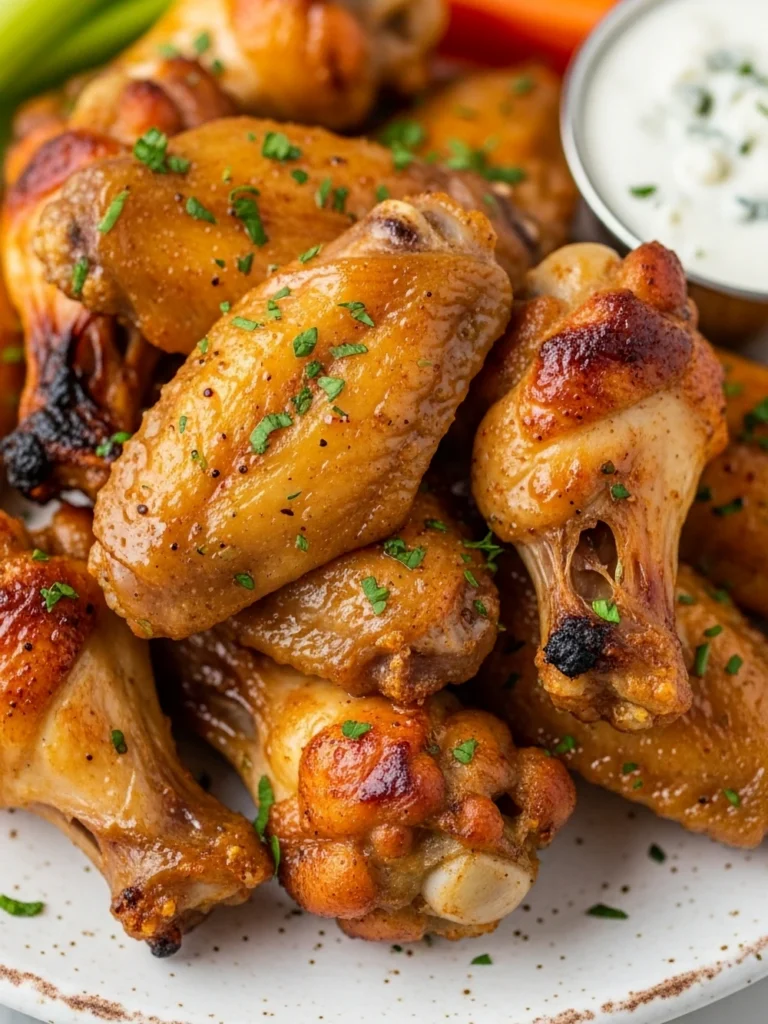
Lemon pepper wings are the dry-rub hero, built for people who want crispness without sticky fingers. The most satisfying version uses fresh lemon zest in the seasoning, backed by cracked black pepper, salt, and a touch of garlic powder, then finishes with a light toss in melted butter to help the seasoning bloom. This style works especially well when the wings are cooked very crisp, because the dry finish highlights texture rather than masking it.
Garlic parmesan wings lean into savory richness and are often the first platter to disappear at gatherings because they taste indulgent but not heavy. A common approach is to toss hot wings in melted butter with lots of garlic, then finish with finely grated parmesan and chopped parsley so the cheese melts into the fat and coats evenly. A small squeeze of lemon at the end can keep the flavor from feeling flat, and a pinch of red pepper adds a gentle bite without changing the theme.
Korean-style gochujang wings offer one of the best “restaurant-level” payoffs at home because the sauce is both complex and easy to build. The glaze usually combines gochujang, soy sauce, garlic, ginger, sugar or honey, and a little rice vinegar, then simmers into a glossy coating with sweet, savory, and fermented heat. A finishing sprinkle of toasted sesame seeds and sliced scallions adds aroma and texture that makes the wings feel complete without extra sides.
Barbecue wings can be excellent or disappointing depending on whether the method protects crispness. The best versions tend to use a two-step approach: cook the wings until the skin is deeply crisp, then brush on sauce in the final minutes so it sets like a lacquer rather than soaking in. For a bolder, more “pit-style” flavor, smoked paprika, brown sugar, mustard powder, and a touch of cumin can be added to the sauce or used as a pre-rub before cooking.
Jerk wings are ideal when the goal is big aroma and spice that feels sunlit rather than purely hot. A strong jerk profile often starts with allspice, thyme, scallion, garlic, ginger, and Scotch bonnet heat, with lime or vinegar to keep it bright, then either marinates the wings or becomes a finishing glaze. A short rest after cooking helps the aromatics settle, and a final squeeze of lime can sharpen the flavors right before serving.
Salt-and-vinegar wings deliver a punchy, snackable style that feels different from the usual sauce lineup. A simple method is to cook wings crisp, then mist or toss lightly with vinegar while hot and finish with a generous salt blend, optionally adding malt vinegar powder for a more intense, chip-like flavor. This style benefits from restraint—just enough vinegar to pop without softening the skin—so it stays crisp and addictive.
Cooking method matters as much as recipe choice, because every sauce depends on the wing’s texture. Baking on a rack at high heat, air frying, or deep frying can all work, but the consistent thread is drying the wings thoroughly and cooking hot enough to render fat and crisp the skin. The most successful “list” approach for parties is to cook one big batch of wings crisp, then split them into bowls and toss each group in a different sauce or seasoning so the spread feels varied without multiplying workload.
Sources
SeriousEats.com
FoodNetwork.com
BonAppetit.com
ExplainGenie is for informational purposes only. Best attempts are made to ensure reliability and timeliness of information. ExplainGenie does not sell or offer products or services of any kind for sale.