
The Complete Forest River RV Guide
Forest River, Inc. began in 1996 when founder Pete Liegl set out “to help more people experience the joy of the outdoors.” In less than three decades the company has grown into one of North America’s largest producers of RV's, motorhomes, and trailers. Today, every Forest River is built around the original mission to enable adventure and fellowship. Here's a look at top Forest Rivers to consider this year.
FR3
For travelers who want the spacious feel of a Class A coach without leaving family‑friendly practicality behind, Forest River created the FR3 Crossover Gas Motorhome. Designed to strike “a perfect balance of practicality and luxury,” the FR3 wraps residential amenities—such as ample living space, innovative storage solutions, and family‑oriented floorplans—around the affordability of a gasoline drivetrain. The result is a coach that can serve equally well for weekend ball‑field duty or months‑long touring without asking newcomers to sacrifice comfort or seasoned RVers to downsize their expectations.
Georgetown
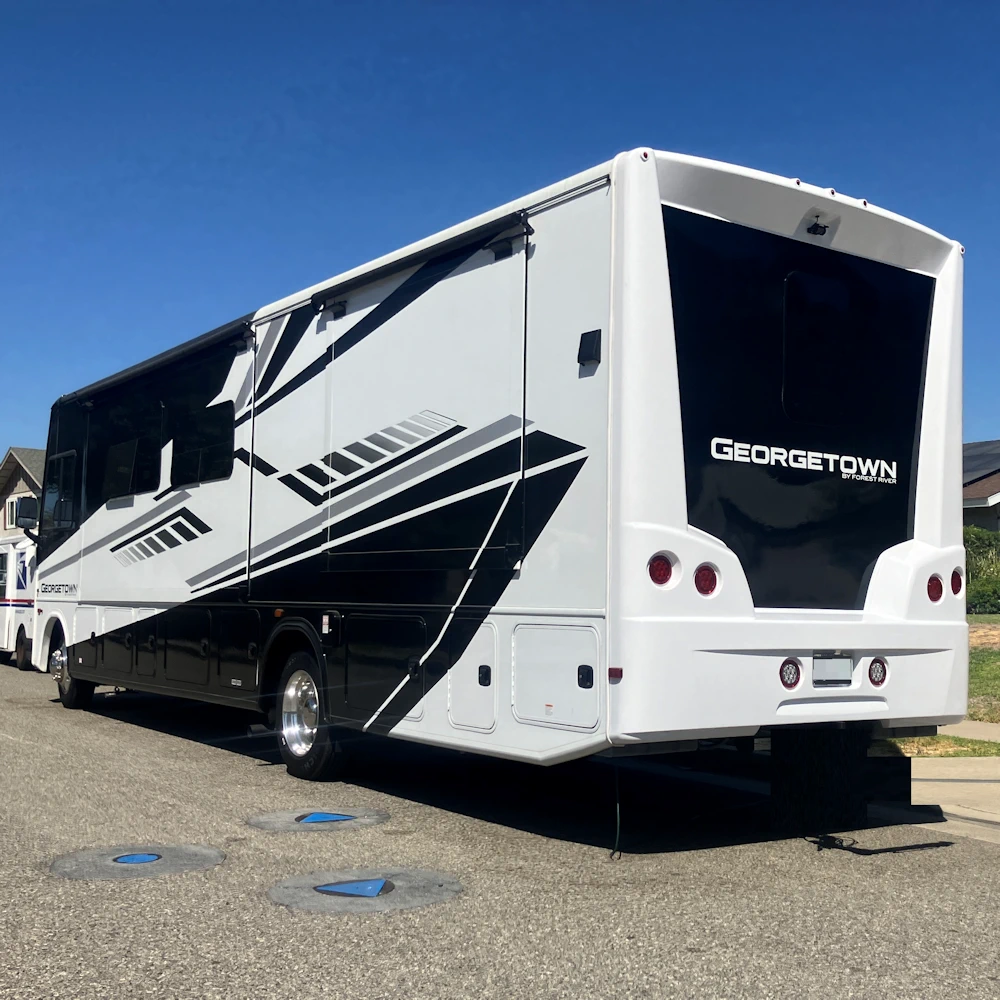
Forest River’s Georgetown line refines the gas‑powered Class A concept across three distinct series that share a common chassis yet cater to different tastes. The Georgetown 3 Series GT3 focuses on relaxed livability, pairing airy galleys equipped with “dream dinettes” to open lounge areas that make gathering with friends as easy as parking for the night. Step up to the Georgetown 5 Series GT5 and the floorplan choice widens to four layouts, each engineered to maximize space; two décor palettes let owners tailor the interior to a contemporary or classic vibe without resorting to aftermarket work. At the peak sits the Georgetown 7 Series GT7, a coach aimed at travelers who “crave premium comfort and exceptional craftsmanship.” From upgraded materials to expanded storage and technology packages, the GT7 delivers the kind of fit and finish more often found in diesel pushers, yet retains the simplicity and familiarity of a gasoline platform.
Forester
Moving to the Class C segment, the Forester brings full‑size luxury to a cab‑over profile that many drivers find less intimidating than a bus‑style coach. Recent Forester Classic models wear Pacific or Garnet full‑body paint, ride on an upgraded EZRYDE suspension, and treat the cockpit to leather driver and passenger seats. Slide toppers protect the living‑area extensions, and a 15,000‑BTU air‑conditioner with heat pump maintains four‑season comfort—features that underscore Forest River’s commitment to giving Class C buyers the same premium experience offered in its larger rigs.
Travel Trailers
Forest River’s towable lineup is vast, with tends of sub-brands that include toyhaulers, travel trailers, fifth wheels, and pop up campers. Reimagined from the Sierra toy‑hauler heritage, the Shockwave line positions itself as “the seismic change in extreme RVing,” marrying brawny garage space for motorcycles or side‑by‑sides with residential finishes that feel more condo than cargo bay. At a smaller end of the spectrum, the Cherokee Wolf Pup series targets lightweight versatility. Wolf Pup trailers are “fully self‑contained,” with generous tank capacities and storage, yet weigh in light enough to be towed by many midsize SUVs. The design goal is clear: make off‑grid weekends accessible to first‑time buyers without relinquishing comfort.
Conclusion
Whether an owner gravitates a large Class A or a smaller towable travel trailer, the go‑anywhere spirit embodied by each rig carries Forest River’s founding promise: to offer reliable craftsmanship that invites people outdoors and keeps them there in comfort. In the variety of its portfolio—and in the common thread of practical innovation—Forest River continues to prove that the road to adventure can begin with a single vision and branch into pathways suited for every kind of traveler.
ExplainGenie is for informational purposes only. Best attempts are made to ensure reliability and timeliness of information. ExplainGenie does not sell RV’s or offer products or services of any kind for sale.