
The Complete Guide To Used Diesel Pushers
Diesel‑pusher motorhomes sit at the top of the RV food chain. Rear‑mounted Cummins or Caterpillar diesels propel a purpose‑built chassis, leaving the cockpit whisper‑quiet while delivering the torque and air‑suspension ride of a luxury motorcoach. With lengths in excess of 40 feet, diesel pushers can feel like penthouses on wheels. Herein we'll look at the best used diesel pusher inventories to consider.
Where to shop for pre‑owned diesel pushers
- Giant RV – This chain highlights late‑model diesel Class A coaches on its dedicated inventory page and advertises both purchase and consignment options.
- Camping World – With the country’s largest brick‑and‑mortar network, its website filters hundreds of used diesel Class As by price, length and mileage, then routes buyers to nearby stores.
- RVTrader.com – The dominant online marketplace aggregates dealer and private‑party listings; a recent Southern‑California search showed everything from a $280 k 2020 Tiffin Allegro Bus to a $79 k 2014 Winnebago Forza.
- Regional players such as Lazydays RV in Florida/Arizona or La Mesa RV in the Southwest can broaden the search even further, especially during seasonal trade‑in cycles
Brands
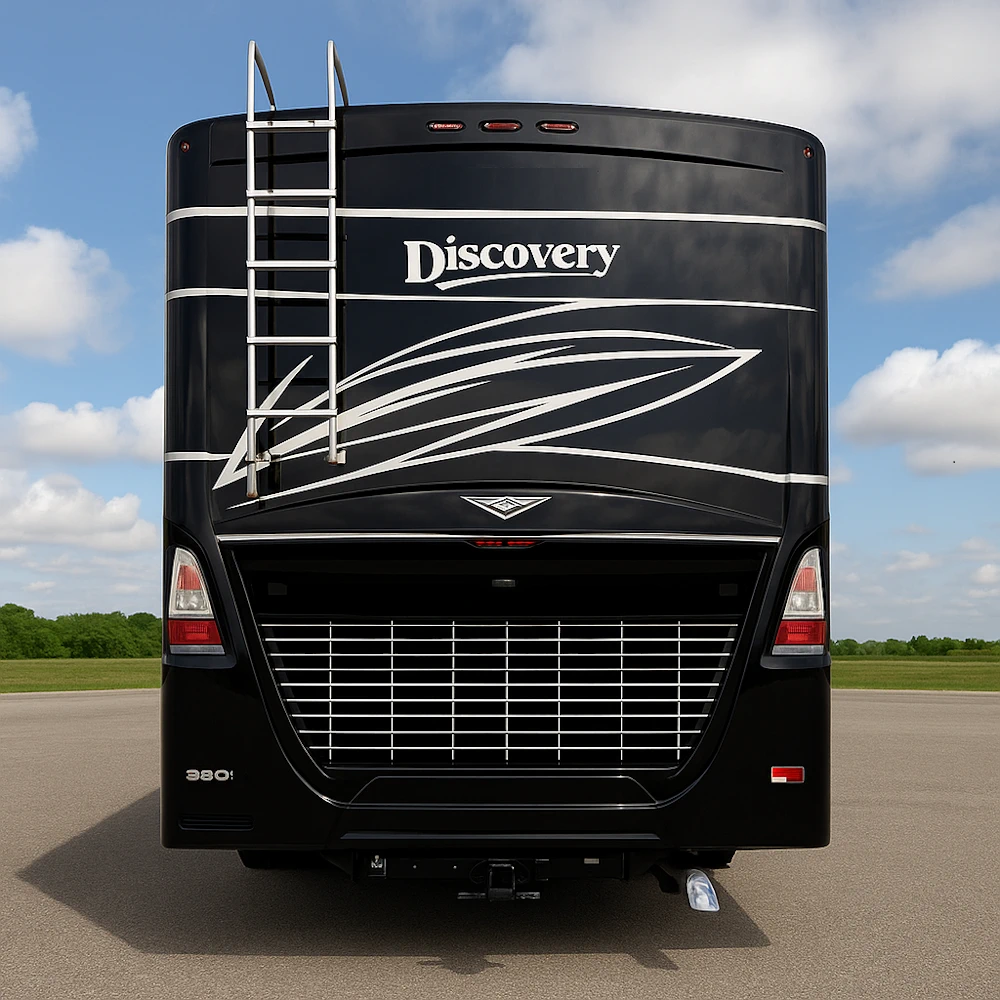
These manufacturers share construction hallmarks—raised‑rail chassis, pass‑through luggage bays, and full‑body paint—but their personalities differ. Thor emphasizes tech conveniences such as standard 100‑watt solar; Entegra markets the “quietest ride” thanks to extra chassis insulation. Fleetwood’s Freedom Bridge and Freedom Drive packages focus on storage volume and driving stability, while Forest River’s Berkshire touts a Freightliner XCR chassis and upscale hardwood interiors
Why buy a diesel pusher used
The steepest drop in a motorhome’s value comes in its earliest years, so a three‑year‑old diesel pusher that originally listed for well over half a million dollars can frequently be purchased for roughly half that figure. Because the heart of these coaches is a heavy‑duty Cummins or Caterpillar engine designed to run hundreds of thousands of miles, the mechanical life that remains after the first owner trades in is vast—far longer than many RVers will ever drive. And while flooring, upholstery, or electronics can always be updated to match current tastes, the truly expensive components—chassis, drivetrain, fiberglass caps, and full‑body paint—have already been paid for by someone else. In effect, a lightly used diesel pusher lets buyers step straight into five‑star travel at a three‑star price.
Tips for a smart purchase
Securing that bargain, however, means treating the coach like the rolling home it is and verifying its condition with diligence. Begin by requesting complete service records that document annual chassis maintenance and oil analyses; missing paperwork may conceal deferred upkeep that could translate into six‑figure repair bills. Inspect the roof membrane and the seals around slides and windows, because even hairline cracks can channel water into subfloors and wiring harnesses, doing hidden damage. Determine the age of the tires rather than relying on tread depth: most RV tires “time‑out” after about seven years, and replacing six 22.5‑inch tires can approach the cost of a compact car. Finally, consider hiring a certified RV inspector or diesel‑chassis specialist; their trained eyes often uncover issues a buyer might miss, and the modest inspection fee can save thousands down the road.
ExplainGenie is for informational purposes only. Best attempts are made to ensure reliability and timeliness of information. ExplainGenie does not sell RV’s or offer products or services of any kind for sale.