
The Complete Guide To Used RV's
They say nothing depreciates like a new car, but those people may not have heard of Recreational Vehicles. Buying a pre-owned RV can handily trim tens or hundreds of thousands off the new sticker price while opening the door to well‑maintained RV's that have decades of adventure left in them. A cornucopia of RV classes and types abound. Herein we'll look at the best used RV inventories to consider.
RV classes in Brief
Class A motorhomes are the bus‑shaped behemoths built on heavy commercial or custom chassis. They provide the most interior space, the largest holding tanks, and the greatest towing capacity—think full‑tile floors and residential refrigerators—but require confidence behind the wheel and the budget to feed a large engine
Class C motorhomes ride on cut‑away van or truck frames and are easy to spot by their over‑cab sleeping bunk. They blend many Class A comforts with more manageable size and fuel costs, making them a favorite of families
Class B camper vans (often Ram ProMaster, Ford Transit, or Mercedes Sprinter conversions) keep living amenities inside the original van body. Their narrow width and car‑like handling suit couples or solo travelers who prize go‑anywhere flexibility
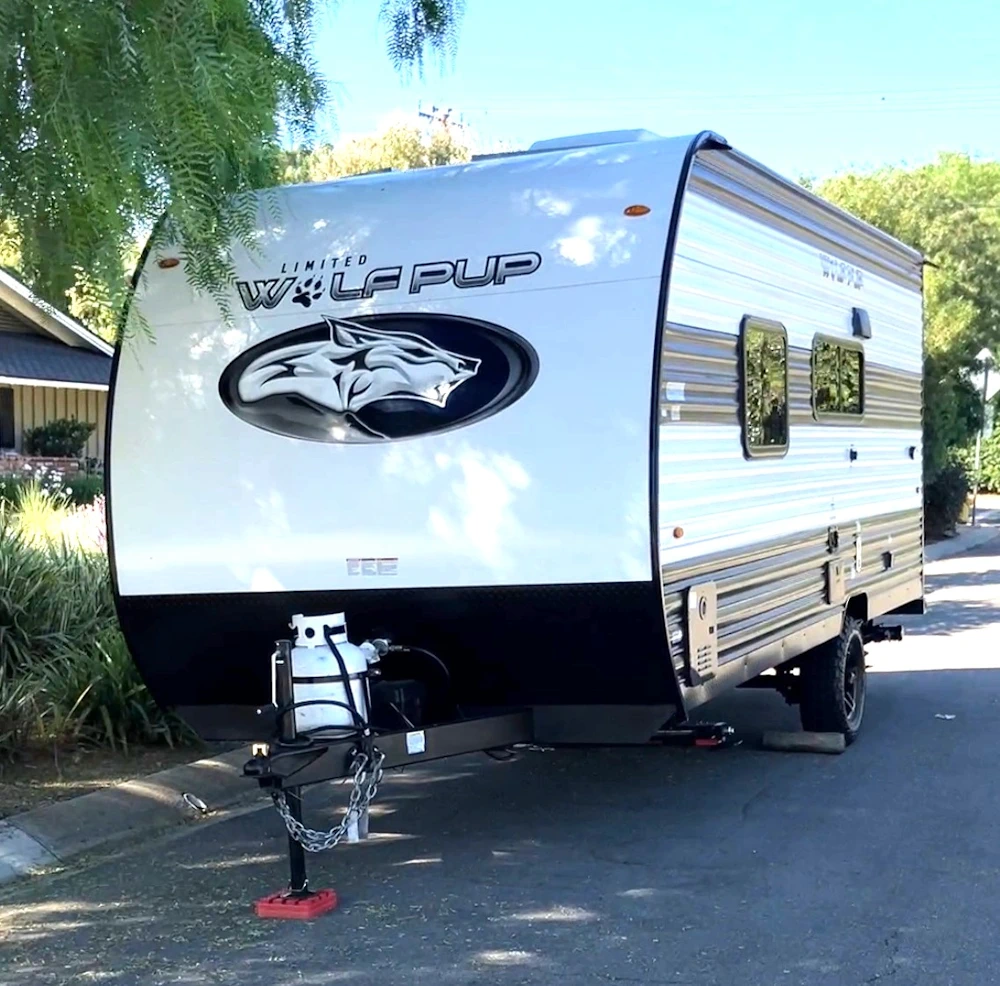
Travel trailers decouple the living space from the tow vehicle. At the simple end are lightweight Coachmen models; at the aspirational end sit polished‑aluminum Airstreams such as the Classic and Flying Cloud lines, as well as so-called Fifth Wheels (which get pulled like a tractor trailer by a heavy-duty pickup) and Toyhaulers (with room for an ATV)
Engines Most entry‑level Class A and nearly all Class C motorhomes use a front‑mounted gasoline V‑8 or V‑10. Luxury Class A rigs move a Cummins or Caterpillar diesel to the rear, creating the “diesel pusher.” The layout is quieter for passengers, delivers more low‑rpm torque for mountain grades, and usually raises towing capacity, but it costs more up front and in maintenance. Towable RV’s have no engine if this does not go without saying.
Where to shop for used rigs
- Giant RV operates multiple superstores and advertises itself as the “#1 dealer for new & used RVs,” keeping a rotating stock that ranges from entry‑level gas coaches to late‑model diesel pushers.
- Camping World runs the nation’s largest network of RV dealerships; its online portal lets buyers filter hundreds of pre‑owned motorhomes by class, length, price, and location, then pick up in‑store or arrange delivery.
- RVTrader.com is the dominant digital marketplace, aggregating private‑party ads and dealer listings nationwide. A search around Los Angeles recently showed used Class A units as low as the mid‑teens, though most hover near $20 k—proof that price swings with age, mileage, and brand prestige. With new Class A’s handily reaching half a million dollars, this represents an enormous savings!
Popular brands on the used RV market
- Forest River—a Berkshire Hathaway company—produces everything from simple Cherokee trailers to diesel Class As under brands such as Berkshire and Georgetown, so its used inventory is massive
- Winnebago remains a household name thanks to a portfolio that stretches from compact camper vans to 45‑foot diesel flagships; its long production history means plentiful parts and forum support.
- Thor Motor Coach sells more Class C motorhomes than any other maker in North America, so late‑model Thors—from budget E‑series chassis to “Super C” diesels—are easy to locate second‑hand.
- Coachmen, founded in 1964 and now a Forest River division, has produced more than 750,000 RVs; that scale ensures a steady stream of used Leprechaun Class Cs and Catalina travel trailers
Dozens of other marques—Jayco, Coachmen, Forest River—also vie for space on dealer lots, amongst many others. The best buy is rarely the cheapest coach but the one with maintenance records, a leak‑free roof, tires less than five years old, and appliances that click on the first try.
Putting it all together
Class A coaches (gas or diesel pusher) deliver residential luxury and towing muscle, while Class Cs trade basement storage for nimble handling and a lower price of entry, with class B vans slated in between. If you have your own truck, a travel trailer may be a more logical RV solution, given their lower cost of entry and lack of engine to maintain. Large dealership chains such as Giant RV and Camping World may offer warranty add‑ons and financing, making those used motorhomes more accessible; peer‑to‑peer hubs like RVTrader broaden choice but put due diligence on the shopper. Whether you land on a nimble Class B camper van for weekend surfing trips or a 45‑foot diesel pusher for cross‑country retirement, a thorough inspection and a realistic understanding of running costs will turn that used RV into the travel freedom machine it was built to be.
ExplainGenie is for informational purposes only. Best attempts are made to ensure reliability and timeliness of information. ExplainGenie does not sell RV’s or offer products or services of any kind for sale.